Most families in Oman picture a live-in housemaid, but the rules also allow a worker to live outside your home. What they don't allow is the arrangement many people search for: a helper shared between households, or hired by the hour from someone else's home.
This guide covers what each setup requires of you under the domestic workers regulation, MD 574/2025. It also states the part-time rule plainly, because getting it wrong carries fines for the family.
Live-in and live-out: both are full-time jobs
In Oman, "live-in" and "live-out" describe where the worker sleeps, not how many families they work for.
- Live-in: the worker lives in your home.
- Live-out: the worker lives somewhere else and comes to work each day.
In both cases the worker is employed by one family, which holds the Ministry of Labour work licence for them (MD 574/2025, Art. 8). The contract registered with the ministry states:
- the place of work;
- the hours;
- the rest periods;
- the monthly wage (Art. 19).
The regulation assumes live-out is possible. Article 15 sets a specific duty for the case where the worker lives outside the employer's home. Live-out is a lawful arrangement for the licensed employer. It is not a route to part-time work for several households, which is a different thing and is covered below.
Everything else in MD 574/2025 applies the same way to both:
- the weekly rest day;
- up to 30 days' paid sick leave a year;
- at least 21 days' paid annual leave;
- health insurance paid by the employer;
- the minimum age of 21.
Live-in: the room and food you provide
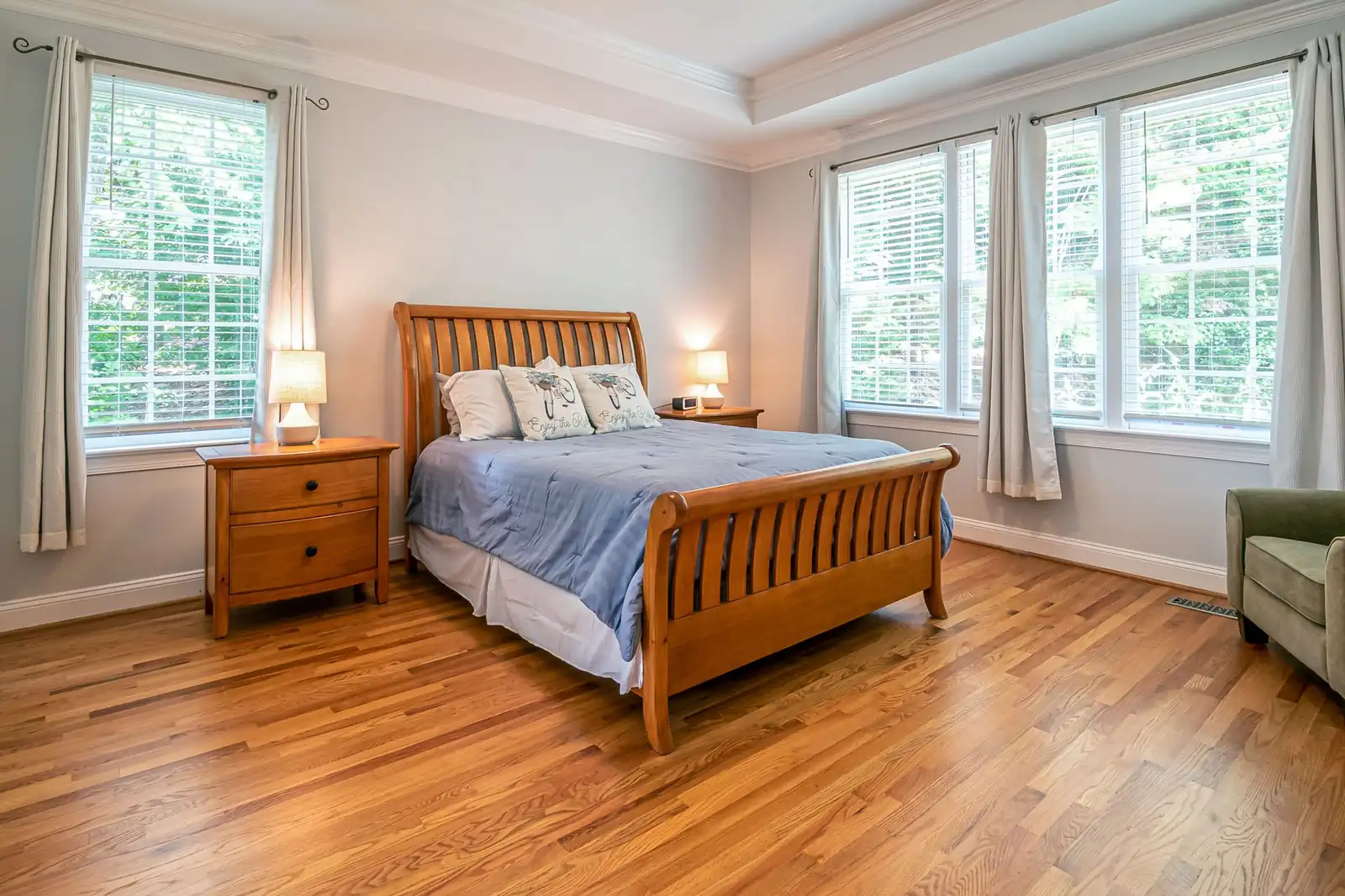
Every employer must provide the worker with food and suitable accommodation (Art. 13). For a live-in worker, that means a place in your home that meets Article 14. It must be:
- well ventilated, well lit and air-conditioned;
- in good repair, with sound doors, windows and ceilings;
- equipped with good bedding and a suitable wardrobe for the worker's own belongings;
- served by a clean, sound toilet that is well ventilated and lit.
The worker, in turn, must keep the room and everything in it clean (Art. 14).
A few practical points the law doesn't spell out, but which make live-in work better for everyone:
- A room of their own. A private room with a door that closes gives both the worker and your family privacy. A bed in a storeroom or a shared children's room is unlikely to meet the Article 14 standard.
- Meals. You provide food either way. Agree early how meals will work day to day.
- Clear off-duty time. When someone lives under your roof, the line between working and resting blurs quickly. Write the hours into the contract, and don't treat rest time as "on call".
- Their documents. You may not keep the worker's passport or personal documents without their written consent (Art. 5).
Ministry of Labour inspectors can ask to interview a worker. With permission from the Public Prosecution, and where necessary, they can also visit the worker's place of work or the place where they live (Art. 12). A room you'd be comfortable showing an inspector is a good test.
Live-out: transport and housing
Transport is on you. If the worker lives outside your home, "the employer must provide a means of transport for the worker to and from the place of work, free of charge" (Art. 15; translation ours). In practice families:
- collect the worker themselves;
- have a family driver do it; or
- pay for a taxi or ride-hailing trip each way.
Whatever you choose, the worker shouldn't be out of pocket for getting to work.
Housing still needs an answer. Article 13's duty to provide food and suitable accommodation isn't limited to live-in workers. So agree in the contract how the worker's accommodation outside your home is arranged, and who pays for it.
Live-out also changes the daily logistics:
- Start and finish times need to allow for the journey, especially for early school runs or evening care.
- Emergencies at night, such as a child's illness or an older parent who needs help, fall outside the worker's hours unless the contract says otherwise.
- Paperwork doesn't change. The worker's work licence is still issued for work with you as the employer, wherever they sleep.
Hours and rest, whichever you choose
MD 574/2025 Article 22 sets the working day:
- Hours are whatever the contract says. MD 574/2025 caps the working day at 12 hours with at least 8 hours' rest; how breaks count is a question for legal counsel.
- Overtime is capped at 2 extra hours a day. It must be agreed in writing and paid extra, based on the worker's daily wage.
On top of that:
- Weekly rest: at least one paid rest day a week. The worker can work it only with written agreement, and then gets an extra day's pay or another day off (Art. 23).
- Sick leave: up to 30 days a year on full pay, with a certificate from an approved medical body (Art. 24).
- Annual leave: at least 21 days a year at the full monthly wage (Art. 25).
Live-in workers are the ones most at risk of hours creeping. Their rest day needs to be a real day off, not a day at home that ends up being worked. For a live-out worker, the journey sits outside working hours, but a realistic start time matters for both sides.
Part-time, hourly or shared help: the rule
This is the part to read carefully. Searches for part-time and hourly maids in Muscat are common, but the regulation is clear. Article 9 of MD 574/2025 prohibits an employer from (translation ours):
- allowing the worker licensed to them to work on their own account or for others;
- employing a worker who is not licensed to work for them, or who is living in Oman unlawfully;
- employing the worker in an occupation other than the one they are licensed for.
In plain terms:
- You can't lend or share your worker. A housemaid who works for your family can't also work for a neighbour, a relative, or anyone else on their rest day, even for a few hours and even if everyone agrees.
- You can't hire someone else's worker by the hour. A worker licensed to another family isn't licensed to work for you.
- You can't ask a housemaid to take on another licensed job, such as driving, unless their licence covers it.
What happens if the rule is broken:
- Administrative fine: OMR 50–500 per violation, multiplied by the number of workers involved (Art. 39).
- The trip home: if it is proven that the worker worked for others with the employer's knowledge, the employer pays for the worker's return home (Art. 33).
- Criminal penalties may also apply. The Labour Law bars letting a worker work for another employer, or employing another employer's worker, without electronic authorisation from the ministry (Royal Decree 53/2023, Art. 29). Article 143 punishes breaches with 10 days to 1 month in prison and/or a fine of OMR 1,000–2,000 per worker. It also provides for a worker who works for someone other than their licensed employer to have their permit cancelled, be deported and be banned from re-entry.
- Compensating the first employer. An older rule on workers who leave their jobs (MD 270/2018, Art. 17) says that anyone found employing a domestic worker who isn't theirs must pay the original employer's recruitment-office costs and the worker's deportation ticket.
Part-time work is for Omanis. Oman's rules on part-time employment, MD 13/2025, allow part-time work only on conditions. The first is that it is limited to Omanis. The others are at least 4 hours a day, no more than 25 hours a week, and at least OMR 3 an hour (Art. 3). There is no part-time route for an expatriate domestic worker.
What about cleaning companies? Some companies advertise home cleaning services. Whether a particular arrangement is lawful depends on how the company is licensed and who employs the cleaners. We haven't verified that for any company, so we don't comment on them. If you use one, ask for its commercial registration and whether the cleaners are its own licensed employees.
What OmanHousemaids lists. Helpers here are workers already living in Oman who want a full-time job with one family, live-in or live-out. We don't list part-time, hourly or shared work. If a full-time helper you like is currently licensed to another employer, the lawful way forward is a change of employer through the Ministry of Labour, explained in our change-of-employer guide.
Which setup suits your household
Neither option is better in general. It depends on your home, your hours and what the worker wants.
| Live-in | Live-out | |
|---|---|---|
| Accommodation | A room in your home meeting Art. 14, plus food | Arranged outside your home, set out in the contract; food still provided (Art. 13) |
| Transport | None needed | Free transport every working day (Art. 15) |
| Early starts and late evenings | Easier to arrange within the contract hours | Journey times shape the day |
| Privacy | Shared home; needs clear boundaries for both sides | Separate lives outside working hours |
| Night-time needs (babies, older parents) | Possible within the hour and rest limits | Needs planning; outside hours unless agreed |
| Rest day | Must be a genuine day off, even at home | Naturally separate |
| Same for both | One employer, 21+, written contract, rest day, leave, health insurance | One employer, 21+, written contract, rest day, leave, health insurance |
Some rough guides:
- Live-in often suits households with young children, long or split days, or an older parent who needs someone close by, and homes with a suitable private room.
- Live-out often suits families without a spare room, those who value evenings to themselves, and workers who prefer their own place. It works best when you can reliably arrange transport.
Whatever you decide, say so up front. When you post a job, state live-in or live-out, the hours, the rest day and the monthly wage, then contact the helpers whose profiles fit. For what to pay, see our salary guide. For the full set of rules, see our guide to MD 574/2025.